Introduction: Why Safety, Laws, and Ethics Are Shaping the Future of Robotics
Robotics is rapidly transforming the modern world. What once seemed like science fiction is now a reality as robots assemble products in factories, assist surgeons in operating rooms, transport inventory through warehouses, explore distant planets, deliver packages, and even help with household tasks. Advances in artificial intelligence, machine learning, computer vision, and autonomous navigation have dramatically expanded what robots can do and where they can operate. As robots become more intelligent and increasingly integrated into daily life, important questions emerge. How can we ensure robots operate safely around people? Who is responsible when a robotic system causes harm? How should governments regulate autonomous machines? What ethical principles should guide the development of artificial intelligence and robotics? These questions sit at the intersection of robot safety, robotics law, and robotics ethics. Together, they form the foundation for responsible innovation. While engineering breakthroughs often capture headlines, the long-term success of robotics depends just as much on creating systems that are safe, legally compliant, and ethically sound. Understanding robot safety, laws, and ethics has become essential for engineers, business leaders, policymakers, educators, students, and consumers. As robotic technologies continue reshaping industries and society, these topics will influence how robots are designed, deployed, regulated, and accepted by the public. This ultimate guide explores the most important aspects of robot safety, legal regulations, and ethical considerations, providing a comprehensive overview of the frameworks that govern one of the most transformative technologies of our time.
A: Robot safety is the practice of reducing physical, digital, operational, and environmental risks created by robotic systems.
A: No. They are fictional principles, not real regulations or enforceable standards.
A: Responsibility may involve the manufacturer, software developer, integrator, owner, operator, employer, or service provider depending on the case.
A: Ethics matter because robots can affect safety, privacy, fairness, jobs, trust, access, and human decision-making.
A: Generally, robots are treated as tools, products, or property rather than legal persons with rights.
A: Robots may collect video, audio, location, biometric, workplace, or behavioral data that can identify or monitor people.
A: No. Cobots still require proper risk assessment, safe tooling, speed limits, force limits, training, and workspace design.
A: Yes. Rules can vary by country, state, city, industry, workplace, and robot use case.
A: Assess risks, review applicable laws and standards, test safety features, protect data, train users, and plan human oversight.
A: The goal is to build robots that are useful, safe, lawful, secure, fair, transparent, and worthy of human trust.
Understanding the Modern Robotics Revolution
To appreciate the importance of safety, law, and ethics, it is necessary to understand how dramatically robotics has evolved.
Early industrial robots were primarily confined to manufacturing facilities where they performed repetitive tasks such as welding, painting, and assembly. These systems operated in controlled environments and were often isolated from human workers behind safety barriers.
Today’s robots are fundamentally different. Modern systems navigate warehouses autonomously, collaborate directly with employees, assist doctors during surgery, inspect infrastructure, monitor crops, deliver goods, and interact with consumers. Many robots now possess advanced sensing capabilities and varying degrees of autonomous decision-making.
This expansion into public and shared environments has created new challenges. Unlike traditional industrial equipment, modern robots frequently operate alongside humans, collect data, and make decisions that affect people directly.
As robotic capabilities grow, so does the importance of ensuring these systems function responsibly and safely.
What Is Robot Safety?
Robot safety refers to the practices, technologies, standards, and procedures designed to prevent harm to people, property, and the environment during robotic operation.
Safety is not simply about preventing accidents. It encompasses the entire lifecycle of a robotic system, from design and manufacturing to deployment, maintenance, operation, and retirement.
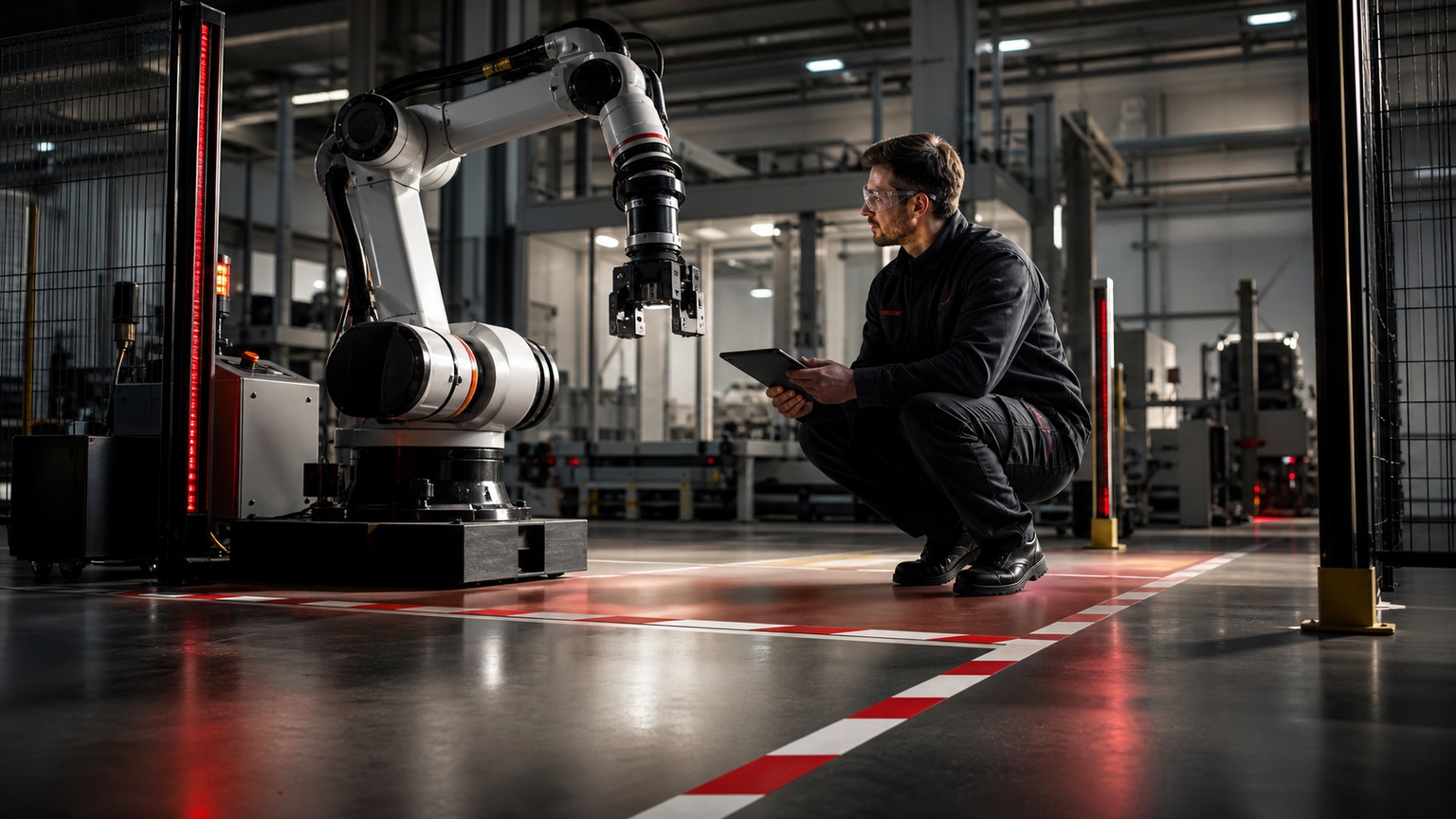
Safe robots are designed to minimize risks, detect hazards, respond appropriately to unexpected situations, and protect both users and bystanders. Safety considerations influence everything from hardware design and software development to training programs and operational procedures.
A robot operating safely should perform its intended functions reliably while maintaining acceptable levels of risk. Achieving this goal requires careful planning, engineering expertise, rigorous testing, and ongoing monitoring.
In today’s increasingly automated world, robot safety serves as the foundation upon which public trust and successful adoption are built.
Why Robot Safety Matters More Than Ever
The importance of robot safety has increased dramatically as robots have moved beyond isolated industrial settings.
Modern robotic systems frequently share spaces with people. Collaborative robots assist factory workers. Delivery robots travel on sidewalks. Autonomous vehicles operate on public roads. Service robots interact with customers in stores, airports, and hospitals.
These interactions create opportunities for accidents if systems are not designed and operated properly.
Beyond physical safety, robots can influence business operations, healthcare outcomes, transportation systems, and critical infrastructure. A malfunctioning robot may disrupt production, compromise patient care, damage equipment, or create cybersecurity vulnerabilities.
Organizations that prioritize safety not only protect people but also reduce liability, improve reliability, maintain regulatory compliance, and strengthen public confidence.
As robotics becomes more widespread, safety is increasingly recognized as both a moral responsibility and a strategic necessity.
Common Safety Risks in Robotics
Robotic systems can present a variety of potential hazards.
Physical risks are often the most obvious. These include collisions, crushing injuries, entanglement hazards, unexpected movement, falling objects, and mechanical failures. Industrial robots capable of moving heavy loads at high speeds require especially careful safety management.
Electrical hazards may arise from power systems, wiring faults, or component failures. Environmental risks can emerge when robots operate in extreme temperatures, hazardous conditions, or unpredictable outdoor settings.
Software-related issues represent another significant category of risk. Programming errors, sensor failures, communication breakdowns, and artificial intelligence misinterpretations can all contribute to unsafe behavior.
Cybersecurity threats have also become increasingly important. Unauthorized access to connected robotic systems may result in operational disruptions, safety incidents, or data breaches.
Addressing these risks requires a comprehensive and proactive approach to safety management.
Safety Standards and Industry Regulations
The robotics industry relies heavily on safety standards to guide development and deployment.
International standards organizations have established detailed frameworks for evaluating risks, designing safeguards, conducting testing, and implementing safety measures. These standards help ensure consistency across manufacturers and industries.
Safety standards often address topics such as emergency stop mechanisms, protective barriers, risk assessments, safe operating procedures, human-robot interaction, and system validation.
Many industries require compliance with specific standards before robotic systems can be deployed. Regulatory agencies may evaluate products for safety performance, documentation quality, and operational reliability.
While standards vary depending on application and location, their common goal is reducing risk and promoting responsible use of robotics technology.
The Rise of Collaborative Robots
One of the most significant developments in robotics is the emergence of collaborative robots, often known as cobots.
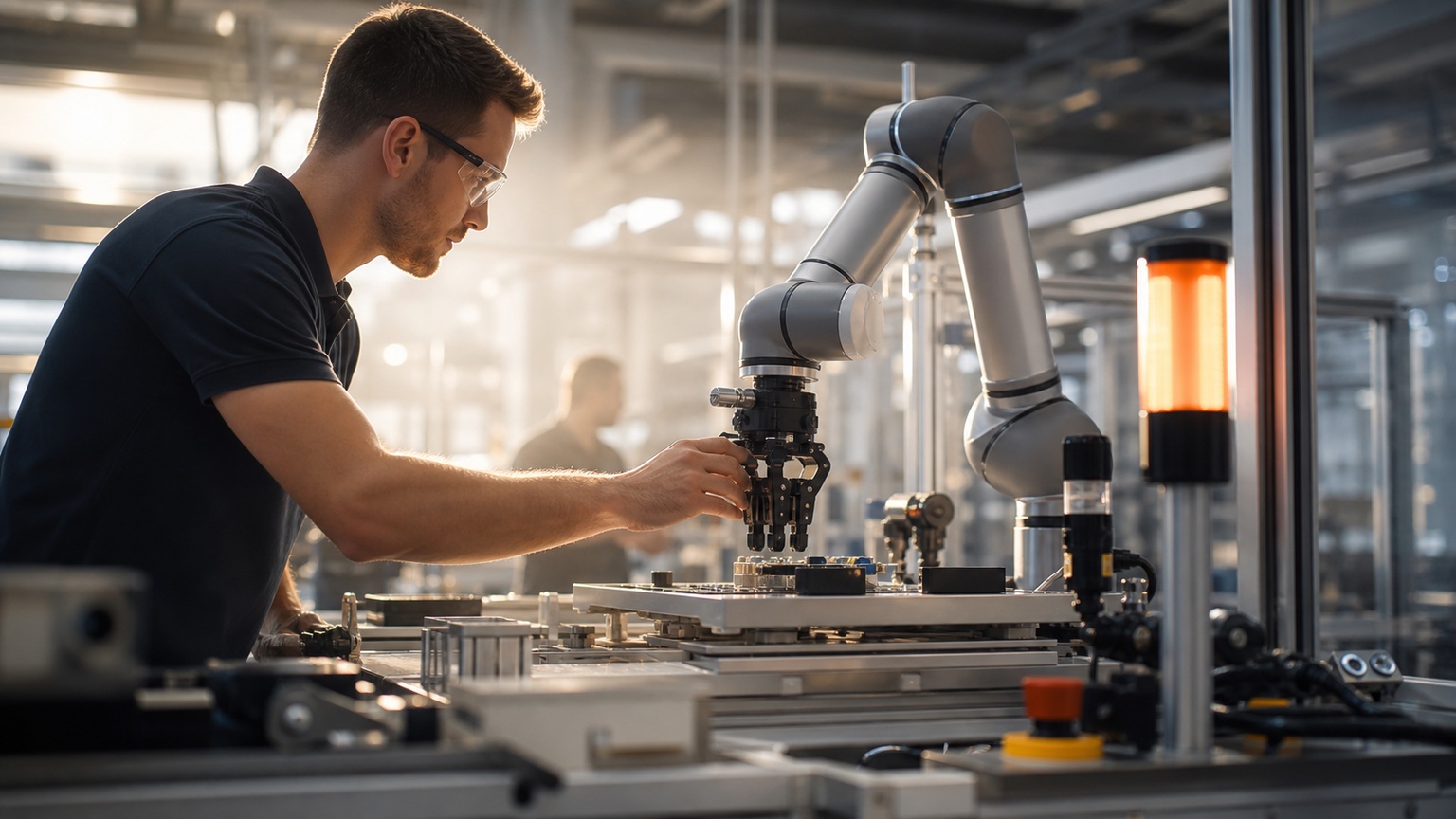
Unlike traditional industrial robots that operate separately from workers, cobots are designed to work directly alongside humans. They assist with assembly, packaging, inspection, material handling, and many other tasks.
Because collaborative robots share workspaces with people, safety becomes especially important. These systems often include force-limiting technologies, advanced sensors, vision systems, and intelligent control software that help detect human presence and prevent harmful interactions.
Collaborative robotics demonstrates how safety innovation can enable new forms of human-machine cooperation while maintaining acceptable levels of risk.
As cobots become more common across industries, their development continues influencing the future of robotics safety.
Understanding Robotics Law
While safety focuses on preventing harm, robotics law addresses the legal frameworks governing robotic systems.
Robotics law encompasses regulations, statutes, standards, and legal principles that influence how robots are developed, deployed, operated, and maintained.
Unlike traditional legal fields, robotics law draws from multiple areas including product liability, privacy law, transportation regulations, labor law, intellectual property, healthcare regulations, and cybersecurity requirements.
The complexity of robotics law reflects the broad range of applications and technologies involved. Different robotic systems may be subject to different legal requirements depending on their purpose and operating environment.
As robotics technology advances, lawmakers continue adapting legal frameworks to address emerging challenges and opportunities.
Product Liability and Accountability
One of the most important legal issues in robotics involves accountability.
When a robotic system causes injury or damage, determining responsibility can be complicated. Traditional product liability principles generally focus on manufacturers, developers, operators, and service providers.
Questions arise regarding whether a failure resulted from hardware defects, software errors, improper maintenance, inadequate training, or operational misuse.
Autonomous systems add further complexity because they can make decisions without direct human input. Determining liability in these situations remains an active area of legal discussion and policy development.
Establishing clear accountability frameworks is essential for protecting consumers, supporting innovation, and maintaining public trust.
Privacy and Data Protection Laws
Many modern robots collect, process, and store significant amounts of data.
Autonomous vehicles gather information about roads and surroundings. Security robots record video footage. Healthcare robots handle sensitive patient information. Service robots may interact directly with consumers.
This data collection creates important privacy considerations.
Privacy laws often regulate how organizations gather, use, store, and share personal information. Companies deploying robotic systems must ensure compliance with applicable regulations and provide appropriate protections for user data.
Failure to address privacy concerns can result in legal penalties, reputational harm, and reduced public acceptance of robotic technologies.
As robots become increasingly connected and data-driven, privacy law will continue playing a critical role in robotics governance.
Artificial Intelligence and Emerging Regulations
Artificial intelligence has become a defining feature of modern robotics.
AI enables robots to recognize objects, interpret environments, navigate autonomously, and make decisions. These capabilities create tremendous opportunities but also raise important regulatory questions.
Governments around the world are developing AI-related policies that may directly affect robotic systems. These frameworks often emphasize transparency, accountability, fairness, explainability, and risk management.
Organizations may be required to assess risks associated with AI-powered systems, document decision-making processes, monitor performance, and implement safeguards against unintended outcomes.
As artificial intelligence continues evolving, AI governance is expected to become one of the most influential areas of robotics regulation.
What Are Robotics Ethics?
While laws establish minimum legal requirements, ethics explores broader questions about what should be done rather than simply what is permitted.
Robotics ethics examines how robotic technologies affect individuals, organizations, communities, and society as a whole. Ethical discussions consider values such as fairness, responsibility, transparency, privacy, autonomy, and human dignity.
Ethics often addresses situations where legal guidance may be limited or nonexistent. Emerging technologies frequently advance faster than regulations can adapt, making ethical principles particularly important.
Robotics ethics helps guide decision-making during the design, development, and deployment of intelligent systems.
Ultimately, ethical considerations influence public trust and long-term acceptance of robotics technology.
Transparency and Explainability
As robots become more intelligent, transparency becomes increasingly important.
People generally feel more comfortable interacting with systems they understand. If a robot makes an important decision, users may want to know how and why that decision was made.
Explainability refers to the ability to provide understandable explanations for robotic behavior and AI-driven decisions.
Transparent systems promote accountability, improve trust, and support regulatory compliance. They also help engineers identify potential issues and improve system performance.
As artificial intelligence becomes more sophisticated, balancing performance and explainability remains a significant challenge.
Human Oversight and Control
A central ethical question in robotics concerns the appropriate level of human oversight.
Should robots always operate under human supervision? When is full autonomy acceptable? How much decision-making authority should be delegated to machines?
These questions become especially important in healthcare, transportation, defense, law enforcement, and other high-stakes applications.
Many experts argue that meaningful human oversight should remain an essential component of robotic systems, particularly when decisions involve safety, rights, or significant consequences.
Maintaining human control helps ensure accountability and reduces risks associated with unintended behavior.
The Impact of Robotics on Employment
One of the most frequently discussed ethical concerns surrounding robotics involves employment.
Automation can improve efficiency and productivity, but it may also alter workforce requirements. Some jobs may be transformed or eliminated as organizations adopt robotic technologies.
At the same time, robotics creates new opportunities in engineering, software development, maintenance, operations, data analysis, and technical support.
Ethical discussions often focus on workforce transitions, retraining programs, educational opportunities, and ensuring that technological progress benefits society broadly.
Addressing these concerns responsibly is important for maintaining public support for automation and innovation.
Cybersecurity Ethics and Responsibility
Connected robotic systems introduce ethical responsibilities related to cybersecurity.
Manufacturers and operators have obligations to protect systems against unauthorized access, malicious attacks, and data breaches. Failure to implement adequate security measures can expose individuals and organizations to significant risks.
Ethical cybersecurity practices involve proactive risk management, transparency regarding vulnerabilities, responsible disclosure procedures, and continuous improvement efforts.
As robotic systems become increasingly interconnected, cybersecurity ethics will remain a critical aspect of responsible development.
The Future of Robot Safety, Laws, and Ethics
The future of robotics will likely bring even greater integration between humans and machines.
Advancements in artificial intelligence, autonomous systems, computer vision, and collaborative robotics will create new opportunities while introducing new challenges. Safety frameworks, legal regulations, and ethical guidelines must evolve alongside these technologies.
International cooperation will become increasingly important as robotics markets expand globally. Industry leaders, researchers, policymakers, and communities will need to work together to establish best practices and effective governance models.
Future success will depend on balancing innovation with responsibility, ensuring that robotic technologies enhance human well-being while minimizing risks.
Conclusion
Robot safety, laws, and ethics are no longer secondary considerations in robotics development. They are fundamental pillars that support responsible innovation and long-term success. Safety protects people and organizations from harm. Laws establish accountability and create consistent frameworks for deployment. Ethics guides decision-making and helps ensure that technological progress aligns with human values.
As robots become more intelligent, autonomous, and integrated into everyday life, these topics will only grow in importance. Organizations that prioritize safety, legal compliance, and ethical responsibility will be better positioned to earn public trust, achieve sustainable growth, and contribute positively to society.
The future of robotics is filled with extraordinary possibilities. By embracing strong safety practices, thoughtful legal frameworks, and sound ethical principles, we can help ensure that this future is not only innovative but also safe, fair, and beneficial for everyone.