Introduction: Why Robotics Laws Matter More Than Ever
Robotics is transforming the world at an unprecedented pace. What was once the domain of science fiction has become an everyday reality as robots increasingly assist in manufacturing, healthcare, transportation, agriculture, logistics, defense, and even household tasks. From autonomous warehouse machines and robotic surgeons to self-driving vehicles and intelligent drones, robots are taking on responsibilities that were once exclusively performed by humans. As robotics technology becomes more advanced and integrated into society, legal and regulatory frameworks have become increasingly important. Governments, industry organizations, and international bodies face a difficult challenge: encouraging innovation while ensuring public safety, protecting privacy, maintaining accountability, and preventing misuse of powerful technologies. Unlike many traditional machines, modern robots can make decisions, interact with people, collect data, and operate autonomously. These capabilities raise important legal questions. Who is responsible when a robot causes harm? How should autonomous vehicles be regulated? What protections should exist for personal data collected by robots? How can governments ensure robotic systems operate safely in public environments? The laws governing robotics today are not contained within a single legal framework. Instead, robotics is influenced by a combination of safety regulations, privacy laws, liability standards, artificial intelligence policies, transportation regulations, cybersecurity requirements, and industry-specific rules. Together, these legal structures help guide the development and deployment of robotic technologies across the globe. Understanding the most important laws governing robotics provides valuable insight into how societies are managing one of the most significant technological revolutions of the twenty-first century.
A: No. They are fictional ideas from science fiction, not enforceable legal rules.
A: Responsibility may fall on the manufacturer, software developer, owner, operator, installer, or another party depending on the facts and jurisdiction.
A: Generally, robots are treated as products or tools, not legal persons with rights.
A: Workplace safety rules, machine-safety standards, product liability law, and maintenance requirements are commonly relevant.
A: Aviation rules, airspace restrictions, pilot or operator requirements, registration rules, privacy laws, and local restrictions may apply.
A: Robots may collect video, audio, location, biometric, or behavioral data that can identify or monitor people.
A: High-impact decisions usually require human accountability, oversight, and compliance with applicable laws.
A: No. Rules vary by country, state, city, industry, and robot use case.
A: Identify the use case, assess risks, review safety standards, protect data, document testing, and consult qualified legal experts.
A: Yes. Laws and standards will continue evolving as robots become more autonomous, intelligent, mobile, and common.
The Difference Between Robotics Ethics and Robotics Law
Before examining specific regulations, it is important to distinguish between robotics ethics and robotics law.
Robotics ethics focuses on moral principles and societal expectations. Ethical discussions often address questions about fairness, transparency, privacy, human autonomy, employment displacement, and the responsible use of intelligent machines.
Robotics law, on the other hand, consists of enforceable rules established by governments and regulatory agencies. These laws determine what companies, organizations, and individuals are legally permitted or required to do when developing, deploying, or operating robotic systems.
Ethical guidelines frequently influence the creation of laws. Concerns about privacy may lead to data protection regulations. Questions about safety may result in certification standards. Debates surrounding autonomous decision-making may shape future artificial intelligence legislation.
As robotics technology evolves, ethics and law continue working together to establish boundaries that balance innovation with public interest.
Safety Regulations: The Foundation of Robotics Law
Perhaps the most important legal area governing robotics involves safety.
Robots often operate in environments where they interact with humans, expensive equipment, critical infrastructure, or sensitive materials. Ensuring safe operation is therefore a primary regulatory objective.
Various national and international standards establish requirements for robotic safety. These standards address issues such as emergency stop systems, collision prevention, risk assessment procedures, operational safeguards, and worker protection measures.
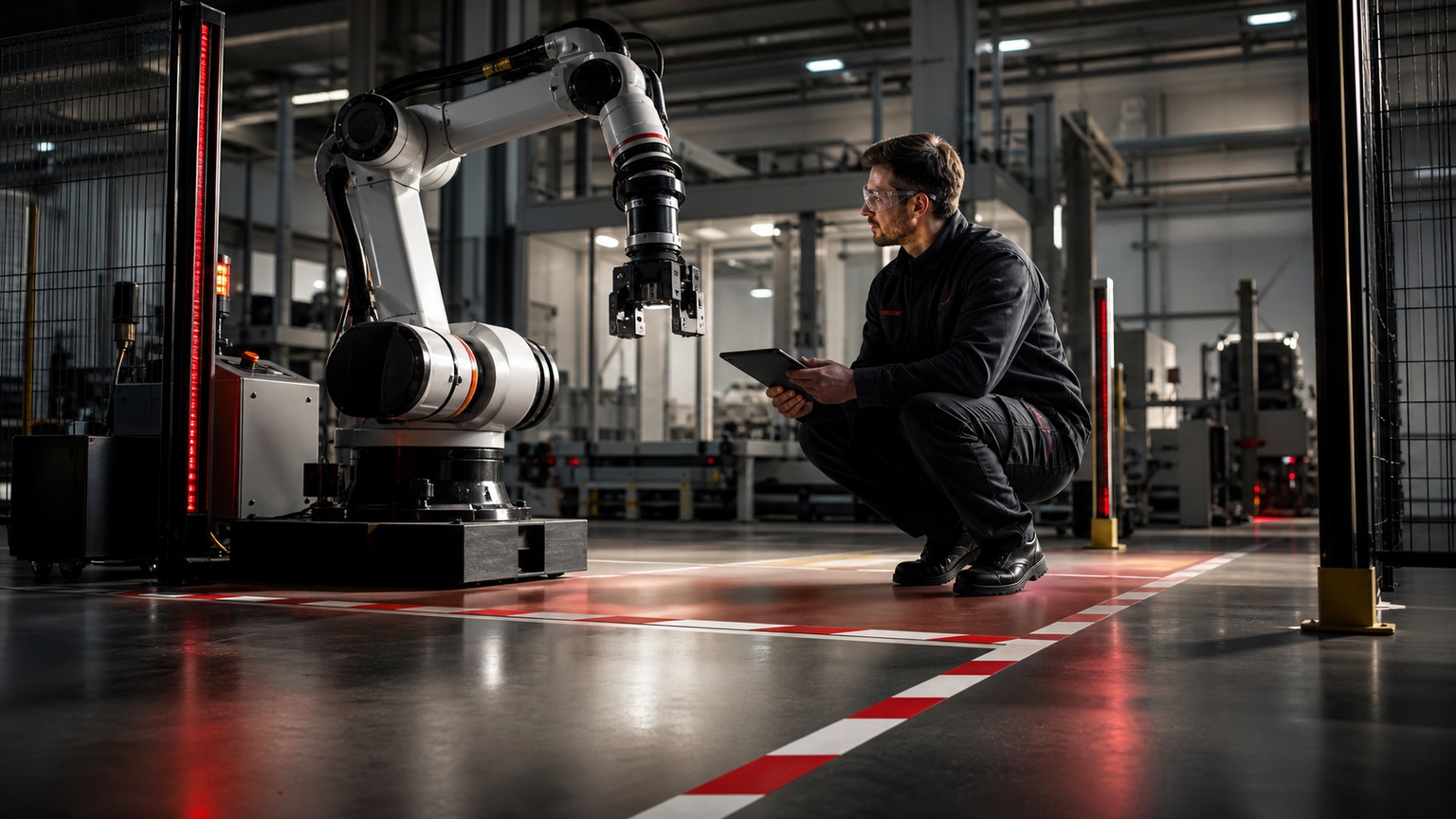
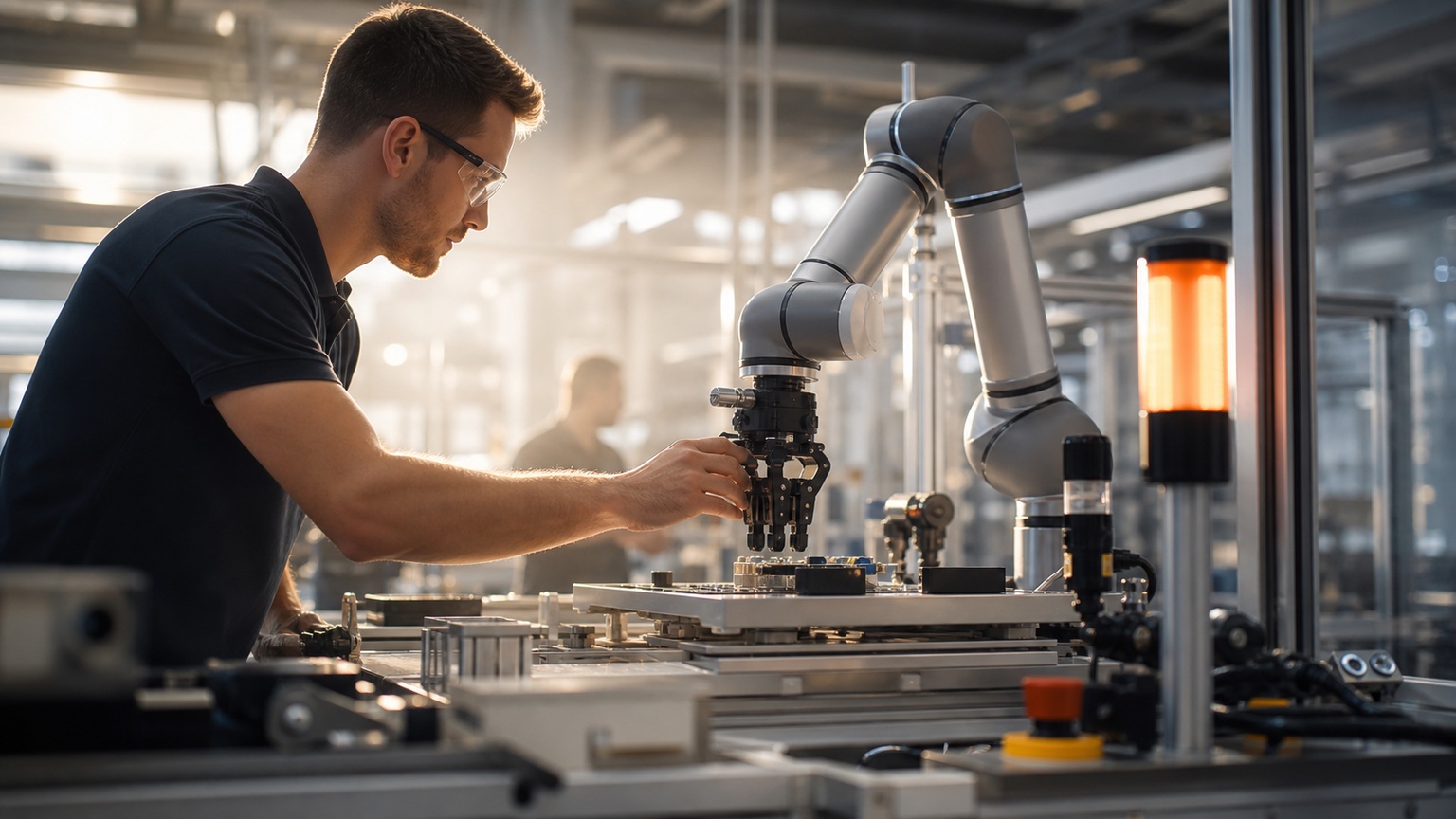
Industrial robots operating in manufacturing facilities must comply with strict safety requirements designed to minimize the risk of injury. Collaborative robots, often called cobots, face additional regulations because they work directly alongside human employees.
Safety laws typically require manufacturers to identify hazards, implement protective measures, conduct testing, and provide appropriate documentation. Regulatory agencies may require certification before certain robotic systems can be deployed commercially.
These safety frameworks help ensure that robotic technologies improve productivity without compromising human well-being.
Product Liability Laws and Robotics
One of the most important legal questions in robotics concerns liability.
When a traditional machine malfunctions and causes harm, liability often falls on the manufacturer, operator, or maintenance provider. However, autonomous robots introduce additional complexity because they can make independent decisions based on sensor data and artificial intelligence algorithms.
Product liability laws help determine responsibility when robotic systems cause accidents, injuries, or property damage.
Manufacturers may be held responsible if a robot contains design flaws, manufacturing defects, inadequate safety features, or insufficient warnings. Software developers may face scrutiny if faulty code contributes to harmful behavior. Operators may be liable if they misuse equipment or ignore operational guidelines.
As robots become more autonomous, courts and lawmakers continue exploring how traditional liability principles should be applied to increasingly intelligent machines.
The outcome of these legal discussions will play a major role in shaping the future of autonomous technologies.
Autonomous Vehicle Regulations
Autonomous vehicles represent one of the most heavily regulated areas of robotics.
Self-driving cars combine robotics, artificial intelligence, computer vision, navigation systems, and sensor technologies into highly complex platforms capable of operating with limited or no human intervention.
Governments worldwide have developed regulations governing testing, deployment, safety requirements, reporting obligations, and operational limitations for autonomous vehicles.
These regulations often require extensive testing before public deployment. Companies may need to demonstrate that their systems meet specific safety benchmarks and provide detailed documentation regarding vehicle performance.
Many jurisdictions also require reporting of accidents, software failures, and other incidents involving autonomous vehicles. Regulators use this information to evaluate safety and improve oversight.
Because transportation directly affects public safety, autonomous vehicle laws are likely to remain among the most important and rapidly evolving areas of robotics regulation.
Data Privacy Laws and Robotic Systems
Modern robots frequently collect enormous amounts of data.
Autonomous vehicles gather information about roads, pedestrians, and traffic conditions. Service robots may record interactions with customers. Healthcare robots process sensitive medical information. Security robots capture video and audio from public spaces.
As a result, privacy laws play a critical role in governing robotic technologies.
Many countries have enacted regulations that limit how organizations collect, store, process, and share personal information. These laws often require transparency regarding data collection practices and provide individuals with rights related to their personal information.
Organizations deploying robotic systems must ensure compliance with applicable privacy requirements. Failure to do so can result in significant financial penalties and reputational damage.
As robots become increasingly connected and data-driven, privacy regulations will continue influencing how robotic systems are designed and operated.
Artificial Intelligence Governance
Because many robots rely on artificial intelligence, emerging AI regulations have become increasingly relevant to robotics.
Governments around the world are developing frameworks to govern the use of AI systems, particularly those involved in high-risk applications such as healthcare, transportation, law enforcement, and critical infrastructure.
These regulations often focus on transparency, accountability, fairness, explainability, and risk management.
Organizations may be required to document how AI systems function, assess potential risks, monitor performance, and implement safeguards against harmful outcomes.
AI governance is particularly important in robotics because autonomous systems frequently make decisions that directly affect people and environments.
As artificial intelligence becomes more sophisticated, legal requirements surrounding AI oversight will likely become a central component of robotics regulation.
Workplace Automation and Labor Laws
The increasing use of robotics in workplaces has significant implications for labor law.
Industrial robots, warehouse automation systems, and autonomous machinery can improve efficiency and reduce operational costs. However, their deployment also raises questions about worker safety, job displacement, training requirements, and workplace rights.
Labor laws often require employers to provide safe working conditions when robots operate alongside human workers. This may involve implementing safety barriers, conducting risk assessments, and providing employee training.
Some policymakers are also exploring broader issues related to workforce transitions and the economic impact of automation.
While robotics laws do not generally prohibit automation, labor regulations play an important role in ensuring that technological progress occurs responsibly and safely.
Cybersecurity Requirements for Robotics
Many modern robots are connected to networks, cloud platforms, and internet-based services.
This connectivity creates opportunities for efficiency and innovation, but it also introduces cybersecurity risks.
A compromised robot could potentially cause physical harm, disrupt operations, expose sensitive information, or damage critical infrastructure. As a result, cybersecurity regulations increasingly influence robotics development.
Organizations may be required to implement security controls, encryption technologies, authentication systems, software update procedures, and incident response plans.
Certain industries, including healthcare, defense, and transportation, often face especially stringent cybersecurity requirements due to the sensitive nature of their operations.
Protecting robotic systems from cyber threats has become a legal as well as technical responsibility.
Medical Robotics Regulations
Healthcare represents one of the most heavily regulated sectors involving robotics.
Medical robots assist with surgery, rehabilitation, diagnostics, patient care, and pharmaceutical operations. Because these systems directly impact patient health and safety, regulatory oversight is extensive.
Medical robotics manufacturers typically must demonstrate safety, effectiveness, reliability, and compliance with applicable healthcare regulations before products can be marketed or used clinically.
Regulatory agencies evaluate factors such as system performance, risk management procedures, software reliability, cybersecurity protections, and clinical outcomes.
Ongoing monitoring often continues after deployment to ensure continued compliance and identify potential safety concerns.
The strict regulatory environment surrounding medical robotics helps protect patients while supporting innovation in healthcare technology.
Drone and Unmanned Aircraft Regulations
Drones represent another important category of robotics governed by extensive regulations.
Unmanned aerial systems are used for photography, surveying, agriculture, inspections, deliveries, emergency response, and military operations. Their growing popularity has prompted governments to establish comprehensive legal frameworks.
Drone regulations typically address pilot certification, operational restrictions, airspace access, registration requirements, safety procedures, and privacy concerns.
Commercial drone operators often must obtain specific authorizations before conducting certain activities. Restrictions may apply near airports, government facilities, crowded areas, or critical infrastructure.
As drone technology continues advancing, regulations are evolving to support new applications while maintaining public safety and airspace security.
International Standards and Robotics Governance
Robotics is a global industry. Components may be designed in one country, manufactured in another, and deployed worldwide.
To promote consistency and interoperability, international organizations develop standards that influence robotics regulation across multiple jurisdictions.
These standards often address safety, quality assurance, risk management, cybersecurity, system design, and operational practices.
Although standards themselves are not always legally binding, governments frequently incorporate them into regulations or use them as benchmarks for compliance.
International cooperation helps create more predictable regulatory environments and supports global innovation within the robotics industry.
Intellectual Property Laws and Robotics Innovation
Innovation is the lifeblood of robotics, making intellectual property law particularly important.
Companies invest substantial resources in developing new robotic technologies, algorithms, sensors, control systems, and manufacturing processes. Intellectual property protections help safeguard these investments.
Patents protect novel inventions and technological advancements. Copyright laws protect software code and documentation. Trade secrets help companies preserve competitive advantages related to proprietary processes and technologies.
Intellectual property laws encourage innovation by providing legal mechanisms that reward research and development efforts.
For robotics companies, managing intellectual property effectively can be just as important as solving technical challenges.
The Growing Debate Over Autonomous Decision-Making
One of the most complex legal questions facing robotics involves autonomous decision-making.
As robots become more capable of operating independently, they may encounter situations requiring judgment, prioritization, and risk assessment. Determining how much autonomy should be permitted remains an ongoing legal and societal debate.
Questions arise regarding transparency, accountability, predictability, and human oversight. Should autonomous systems always require human supervision? How should decisions be documented and reviewed? What safeguards are necessary when robots operate in high-risk environments?
Lawmakers, researchers, industry leaders, and ethicists continue examining these issues as technology advances.
Future regulations will likely establish clearer rules regarding acceptable levels of autonomy and the responsibilities of organizations deploying intelligent systems.
Emerging Robotics Laws Around the World
Governments worldwide are actively developing new legal frameworks to address emerging robotics technologies.
Some jurisdictions are focusing on artificial intelligence governance. Others are prioritizing autonomous transportation, cybersecurity, drone regulation, or industrial automation standards.
These efforts reflect recognition that existing legal systems were not designed specifically for highly autonomous machines. As robotics becomes increasingly integrated into society, lawmakers must continually adapt regulations to address new capabilities and risks.
The pace of technological innovation often exceeds the speed of legislative development, creating ongoing challenges for regulators.
Nevertheless, global efforts to modernize legal frameworks demonstrate the growing importance of robotics governance.
The Future of Robotics Regulation
The future of robotics regulation will likely be characterized by greater complexity, international coordination, and increased emphasis on artificial intelligence oversight.
As robots become more autonomous and capable, regulators will need to address issues involving accountability, transparency, cybersecurity, privacy, and human-machine interaction.
Industry collaboration will play an important role in shaping effective regulations. Policymakers must balance public protection with the need to support innovation and economic growth.
The most successful regulatory frameworks will likely be flexible enough to accommodate technological change while maintaining strong safeguards against potential harms.
Robotics law will continue evolving alongside the technologies it governs.
Conclusion
The laws governing robotics today form a complex network of safety regulations, liability standards, privacy protections, artificial intelligence policies, labor requirements, cybersecurity mandates, transportation rules, healthcare regulations, and intellectual property laws. Together, these legal frameworks help ensure that robotic technologies can be developed and deployed responsibly.
As robots become increasingly integrated into industries and everyday life, legal oversight will become even more important. The challenge for governments, businesses, and society is to create regulations that encourage innovation while protecting public safety, privacy, and accountability.
Understanding the most important laws governing robotics provides valuable insight into how modern societies are managing one of the most transformative technologies of our time. As robotics continues advancing, the legal systems surrounding it will evolve as well, helping shape a future where intelligent machines operate safely, ethically, and effectively alongside humans.