

Medical and Surgical Robots sit at the intersection of precision engineering and human care. On Robot Streets, this sub-category opens the doors to operating rooms where multi-arm robotic systems translate a surgeon’s tiny hand movements into ultra-steady micro-motions inside the body. You’ll explore how robots assist with minimally invasive procedures, guide needles with millimeter accuracy, deliver targeted radiation, and even help rehabilitate patients after surgery. Behind the sleek consoles and stainless steel arms are motion controllers, haptic feedback, advanced imaging, AI-driven planning tools, and rigorous safety systems that allow humans and machines to operate as one team. From teleoperated surgical platforms and orthopedic drill guides to pharmacy robots and hospital delivery bots, we’ll unpack the technology, ethics, and real-world use cases shaping the next era of medicine. Whether you’re an engineer, clinician, student, or just health-tech curious, Medical and Surgical Robots brings the stories, systems, and design insights that show how robots are helping doctors work smarter, gentler, and more precisely than ever.
A: It’s a system that enhances a clinician’s abilities with precise instruments, imaging, and computer-controlled motion.
A: Today’s surgical robots are supervised or teleoperated—clinicians remain in charge of decisions and actions.
A: In pharmacies, rehab gyms, diagnostic suites, and hospital logistics for transport and delivery.
A: They complete specialized training that includes simulation, labs, and supervised clinical use.
A: It depends on the case; robots can offer advantages, but suitability is judged by medical teams.
A: Compliance with standards, rigorous testing, traceable components, and regulated quality systems.
A: Multiple hardware and software safeguards, backups, and emergency stop options are built in.
A: Many systems log anonymized usage and performance data under strict privacy and security rules.
A: Yes—teams often configure tool sets, presets, and OR layouts around specific specialties.
A: More automation support, improved imaging, smaller instruments, and closer integration with digital health tools.
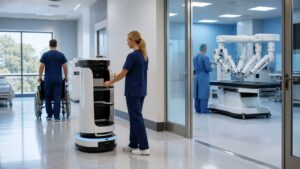
Medical Robots vs Surgical Robots: What’s the Difference?
A clear comparison of medical robots and surgical robots, explaining how healthcare support robots differ from robotic surgical systems.
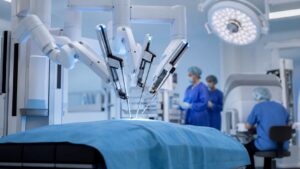
What Are Surgical Robots and How Do They Work?
A clear explainer on surgical robots, how they support minimally invasive procedures, and how surgeons, robotic arms, cameras, instruments, and safety systems work together.
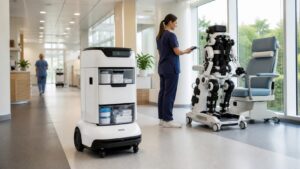
What Are Medical Robots? A Complete Beginner’s Guide
A beginner-friendly guide to medical robots, including hospital logistics, rehabilitation, pharmacy automation, diagnostics, assistive systems, and clinical safety.