Popularity Is More Than a Single Poll
Television robots become popular differently from movie icons. Weekly episodes give a mechanical character time to develop habits, relationships, catchphrases, moral conflicts, and generations of audience memory. A ranking must therefore balance broad recognition, longevity, fan affection, influence, franchise reach, and how central the robot is to the show—not pretend that one measurement settles taste across countries and eras. This list includes robots and androids, plus a few synthetic or cybernetic characters whose stories shaped how television imagines artificial life. It excludes creatures that merely look mechanical when their identity belongs elsewhere. The order is an argued snapshot, not a scientific result, and each entry earns its place through a distinct kind of popularity.
A: It balances enduring recognition, fan affection, longevity, influence, franchise reach, and importance to the series.
A: Decades of central stories, global franchise reach, moral depth, and audience attachment create the strongest combined claim.
A: No. Robby belongs to Forbidden Planet; the television character is generally called the Robot or B-9.
A: They are cyborgs made through conversion, and their remaining human origin is essential to the concept.
A: His television adaptations achieved major international influence and established the robot child as a heroic figure.
A: A clear design and extravagantly flawed personality let him carry satire, comedy, friendship, and occasional sacrifice.
A: Yes. The fictional character's identity matters more than whether performers use puppetry, costume, animation, or digital effects.
A: Daleks are mutated organic beings operating travel machines, so classifying them as robots would obscure their actual premise.
A: Absolutely. Regional broadcast history and Doctor Who's generational audience can change the order substantially.
A: Yes. New series, streaming access, revivals, and changing audiences continually reshape television popularity.
15. Twiki Gave Buck Rogers a Comic Mechanical Companion
Twiki’s compact body, distinctive electronic speech, and partnership with the more formal Dr. Theopolis made the robot instantly recognizable within Buck Rogers in the 25th Century. Humor and loyalty gave futuristic exposition a personable delivery system.
The design belongs unmistakably to late-1970s television, which is part of its charm. Twiki remains popular through nostalgia and the durable sidekick pattern.
14. Vicki Made the Domestic Android a Sitcom Child
Small Wonder placed an android in a suburban family and built comedy from literal interpretation, concealed identity, and extraordinary strength. Vicki’s popularity rests less on mechanical spectacle than on the collision between programming and family routine.
13. Tom Servo and Crow T. Robot Turned Commentary Into Character
On Mystery Science Theater 3000, Tom Servo and Crow are visibly handmade puppet robots whose personalities matter more than technical realism. They argue, perform, complain, and riff alongside the human host.
Their popularity proves that a robot design can invite affection through theatrical transparency. Audiences know performers animate the puppets, yet consistent voices and behavior sustain the fiction.
The characters also embody television community: viewers quote and revisit commentary as a shared ritual rather than admire robots as isolated effects.
12. Cameron Brought Terminator Ambiguity to Weekly Television
In Terminator: The Sarah Connor Chronicles, Cameron combines protective programming, formidable capability, social uncertainty, and hints of an interior life. The serial format lets the audience watch trust change through small interactions rather than one film-length reversal.
11. The Westworld Hosts Made Personhood a Repeating Loop
HBO’s Westworld centers synthetic hosts whose memories, bodies, and narratives are repeatedly controlled and reset. Dolores, Maeve, Bernard, and others move the robot question from “can it think?” toward ownership of experience and identity.
Their popularity grew from mystery, performance, and moral unease. Human-looking bodies make exploitation harder to dismiss while the show reveals how behavior has been authored.
10. The Original Cylons Made a Moving Red Eye Menacing
In the original Battlestar Galactica, armored Cylons created a clear collective threat through metallic voices, rigid bodies, and scanning red light. The design was readable even in a brief television shot.
The reimagined series complicated Cylon identity through human forms, faith, factions, and uncertain loyalty. Popularity therefore spans two modes: iconic mechanical enemy and morally complex artificial people.
Few television robot concepts have been redesigned so radically while retaining the same basic conflict between creators and created.
9. The Jetsons’ Rosie Became the Friendly Household Robot
Rosie combines domestic labor, blunt commentary, and family affection. Her apron-like styling and rolling body make function immediately clear, while personality prevents her from becoming background appliance.
8. Astro Boy Gave Television a Robot Child Hero
Astro Boy’s television legacy spans Japanese animation and international distribution. A powerful artificial child navigating justice, belonging, and human prejudice made robot identity emotionally accessible to young audiences.
The character’s popularity also reflects cultural reach. Astro Boy helped establish visual and thematic patterns that later animation, games, and robot stories continued to reinterpret.
7. The Futurama Robot Cast Built an Entire Mechanical Society
Futurama does more than include a robot sidekick. It imagines robot religions, celebrities, criminals, workers, holidays, bodies, and bureaucracies. This abundance lets the series satirize human institutions through machines without requiring one consistent technological rule.
Supporting robots broaden Bender’s world and make artificial life ordinary. Their popularity comes from comedy, but the jokes work because robot identity is socially embedded.
Television’s long form allows that ecosystem to accumulate until a one-off mechanical gag becomes part of a recognizable culture.
6. K-9 Made Intelligence Portable in Doctor Who
K-9’s boxy rolling body, precise voice, and formidable knowledge created a companion who could be useful and funny without resembling a person. Physical limitations, including stairs and terrain, became part of the character’s screen identity.
5. Bender Became Television’s Most Lovably Unreliable Robot
Bender from Futurama is selfish, boastful, dishonest, sentimental, and occasionally heroic. The contradiction is the point: a mass-produced bending unit behaves like a uniquely flawed person.
Simple design supports expressive animation. Eyes, mouth, arms, and posture can communicate large emotional shifts while preserving an unmistakable silhouette.
4. The Doctor Who Cybermen Made Conversion the Horror
Cybermen are cyborgs rather than ordinary robots, but their television influence demands acknowledgment. Their horror comes from people transformed until emotion and individuality are suppressed in the name of survival.
Repeated redesigns adapt the visual language while retaining the core idea. Popularity here is not affection but durable fear and conceptual recognition.
The category distinction matters: calling Cybermen robots erases the human loss that makes them disturbing.
3. The Lost in Space Robot Became a Family Adventure Star
The Robot, often associated with the model designation B-9, developed from a piece of futuristic equipment into a comic, protective companion. Its warnings, arm gestures, illuminated details, and relationship with Will Robinson became central to audience affection.
2. Data Turned Android Personhood Into a Long Conversation
Data in Star Trek: The Next Generation explores humanity through curiosity, friendship, creativity, rights, humor, and service. The character’s popularity grew episode by episode as apparent emotional absence revealed deep ethical commitment.
Human form makes small performance choices important. Posture, gaze, vocal precision, and timing distinguish Data without reducing him to a machine stereotype.
The series had time to test personhood in courtrooms, friendships, command decisions, art, family, and sacrifice. Few screen androids have received such sustained philosophical development.
1. The Popularity Crown Goes to Television’s Enduring Robot Archetype, Not One Metric
If broad television recognition and dedicated fan affection are weighted together, the Lost in Space Robot and Data form the strongest two claims, with Bender and K-9 close behind in different audiences. Data takes the top position here because the character combines franchise reach, central storytelling, decades of discussion, and a fully developed moral identity.
Why the Ranking Changes by Generation and Region
Astro Boy may be foundational for viewers raised with Japanese animation, K-9 for generations of British science-fiction fans, and Bender for animated-comedy audiences. Syndication, streaming, dubbing, merchandising, and local broadcast history determine which robot becomes familiar.
A popularity list should therefore reveal its assumptions. Global reach, current online attention, historical influence, and personal affection are related but not interchangeable.
Television Creates Attachment Through Repetition
A film may establish an icon in two hours; television can show a robot fail, recover, make friends, repeat a habit, and change across years. Familiarity turns vocal rhythm and movement into signals the audience anticipates.
That time is why simple designs often endure. A clear silhouette and repeatable performance survive budget limits while writers deepen the character. Popularity grows from the feeling that the robot has shared the viewer’s routine.
Repetition also creates risk. A catchphrase can replace development, or a useful companion can become a shortcut for solving plots. The most durable characters keep familiar signals while discovering new emotional or ethical pressure.
Honorable Mentions Reveal How Crowded the Field Is
Other strong candidates include Kryten from Red Dwarf, the replicators and androids of Stargate, Dot Matrix from animated comedy, Robotman from Doom Patrol, and numerous anime mecha whose machines operate as characters through pilots and inherited identity. Different category rules would move several into the main ranking.
Kryten Turns Service Programming Into Moral Comedy
Kryten’s evolution in Red Dwarf uses service routines, guilt, rebellion, and friendship to explore whether an artificial being can outgrow obedience. Comic performance makes the philosophical question approachable.
The character also benefits from ensemble contrast. Rimmer, Lister, Cat, and Kryten embody different forms of selfishness and loyalty, so the robot is never the only strange person in the room.
Within British science-fiction comedy, Kryten could reasonably rank above several entries here. Global broadcast reach and cross-generational recognition keep the character in honorable-mention territory for this particular list.
Animated Television Expands What a Robot Body Can Do
Animation removes the cost and safety limits of practical mechanisms, enabling Astro Boy’s flight, Bender’s elastic physical comedy, giant transforming machines, and entire robot civilizations. Yet memorable designs still need consistent rules.
Voice performance becomes especially important because every movement is constructed. A robotic character can stretch, shatter, or reassemble, but timing and personality must tell viewers which changes matter and which are jokes.
Popularity and Greatness Should Be Reported Separately
Popularity measures familiarity and affection. Greatness may emphasize writing, performance, originality, or thematic depth. A character can be widely recognized but thinly developed, or critically admired within a smaller audience.
Production Constraints Helped Create Classic TV Robot Language
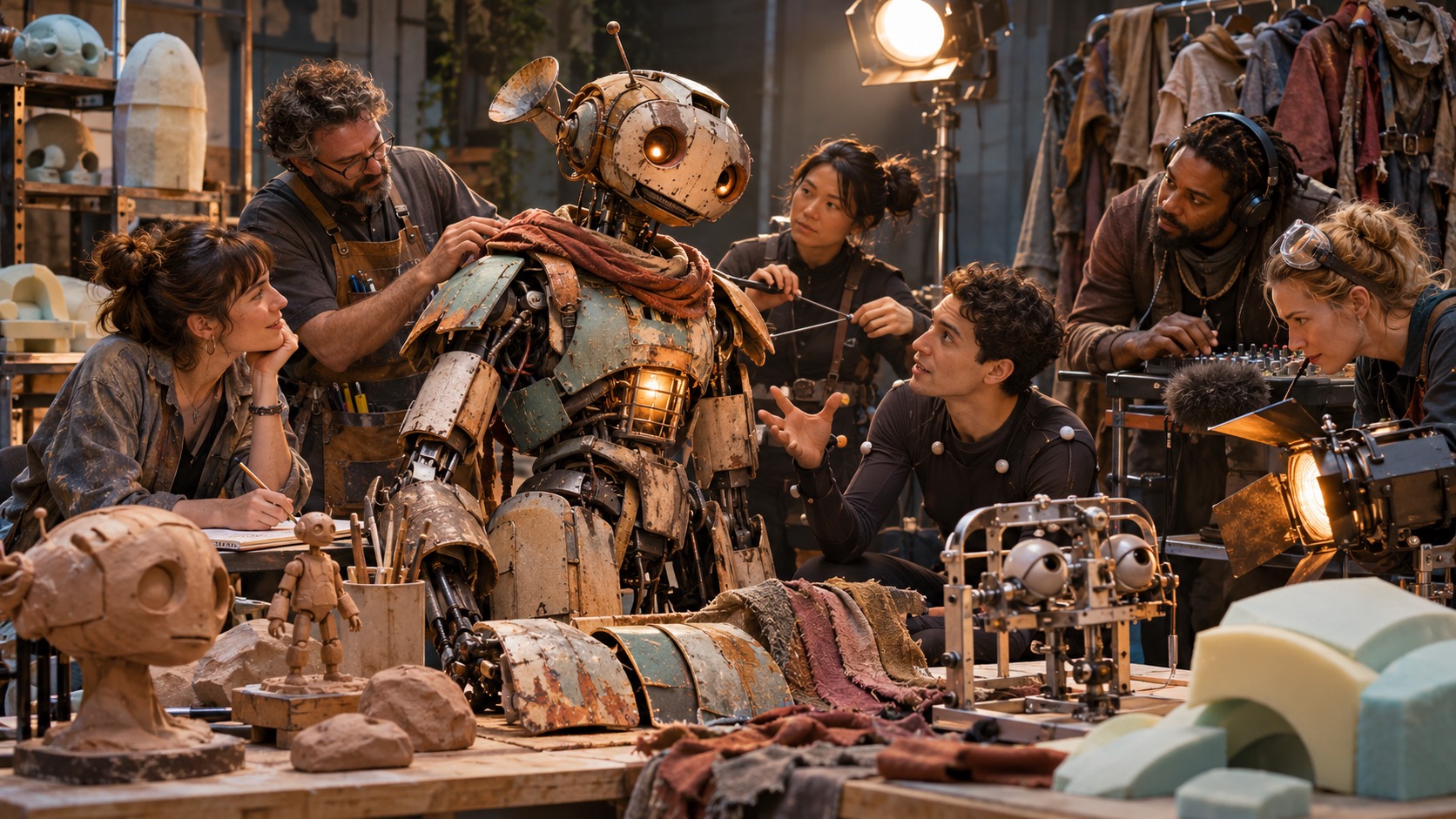
Weekly schedules and limited effects budgets favored costumes, puppets, voice filters, repeated sets, and reusable movement. Those constraints produced bold silhouettes and signature sounds that remained readable on smaller televisions.
A robot might struggle with stairs or turn slowly because the prop was difficult to operate. Writers and performers could convert that limitation into personality, comedy, or vulnerability rather than conceal it.
Modern digital effects widen possibilities, but television characters still benefit from repeatable performance rules. Recognition across episodes depends less on complexity than on coherent behavior viewers can learn.
Audience Participation Extends a Robot Beyond Its Series
Fan-built replicas, costumes, quotations, convention appearances, animation, and online discussion keep television robots visible between broadcasts. The Lost in Space Robot and many Doctor Who creations have especially strong builder cultures.
Participation turns design into shared knowledge. Fans study dimensions, movement, materials, and sound closely enough to reproduce a character, preserving production history that studios may not document publicly.
Ranking Collectives Against Individuals Requires a Compromise
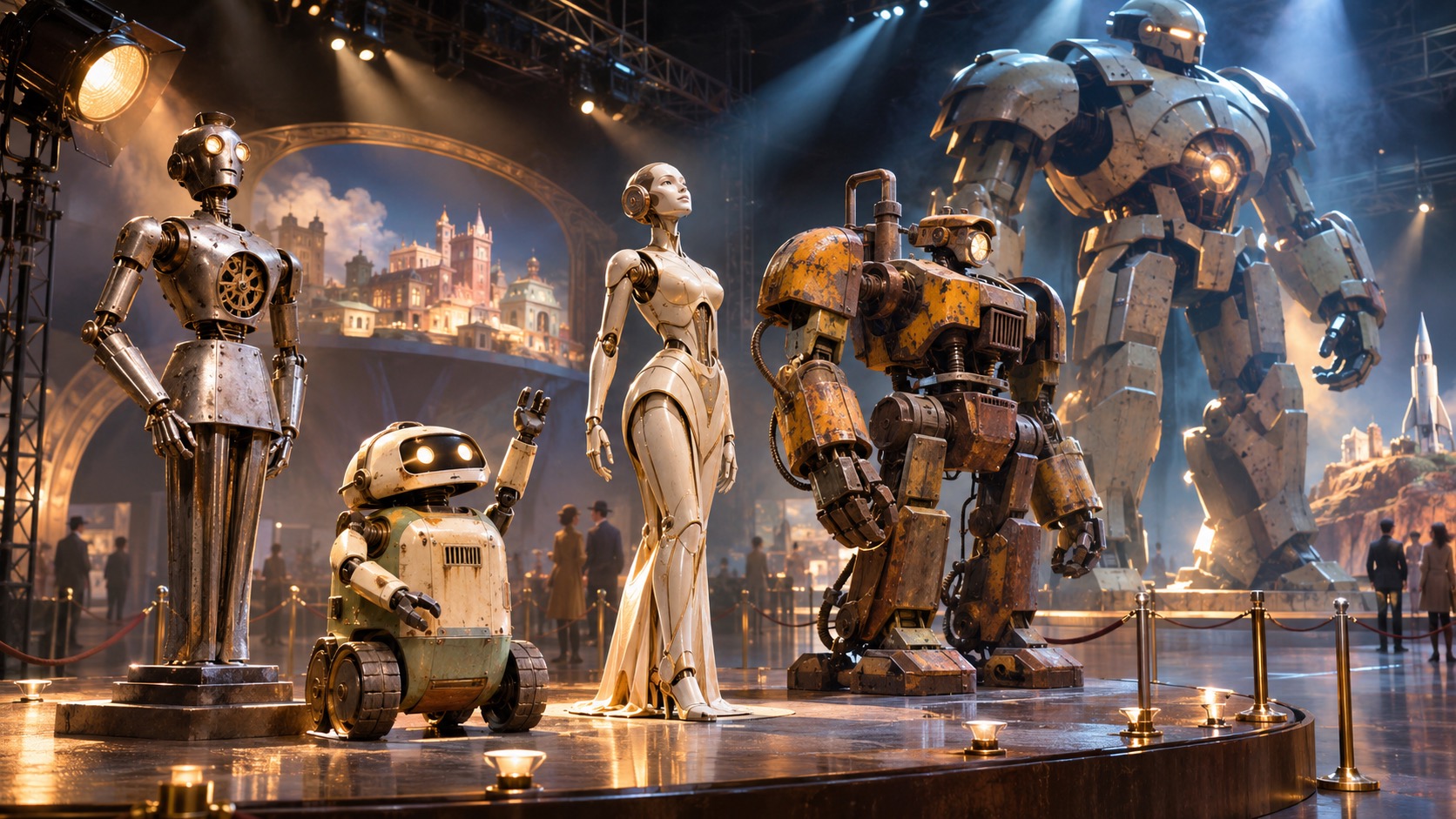
Data, Bender, K-9, and Rosie are individuals. Cylons, hosts, and Cybermen are populations whose popularity may come from several characters and designs. A strict list would separate them, but doing so would omit some of television’s most influential artificial beings.
The Best Ranking Invites a Better Argument
A transparent list gives readers enough criteria to disagree constructively. Someone may prioritize childhood affection and place Rosie first, emphasize global animation and choose Astro Boy, or value philosophical storytelling and retain Data. Those choices reveal different meanings of popularity rather than simple error.
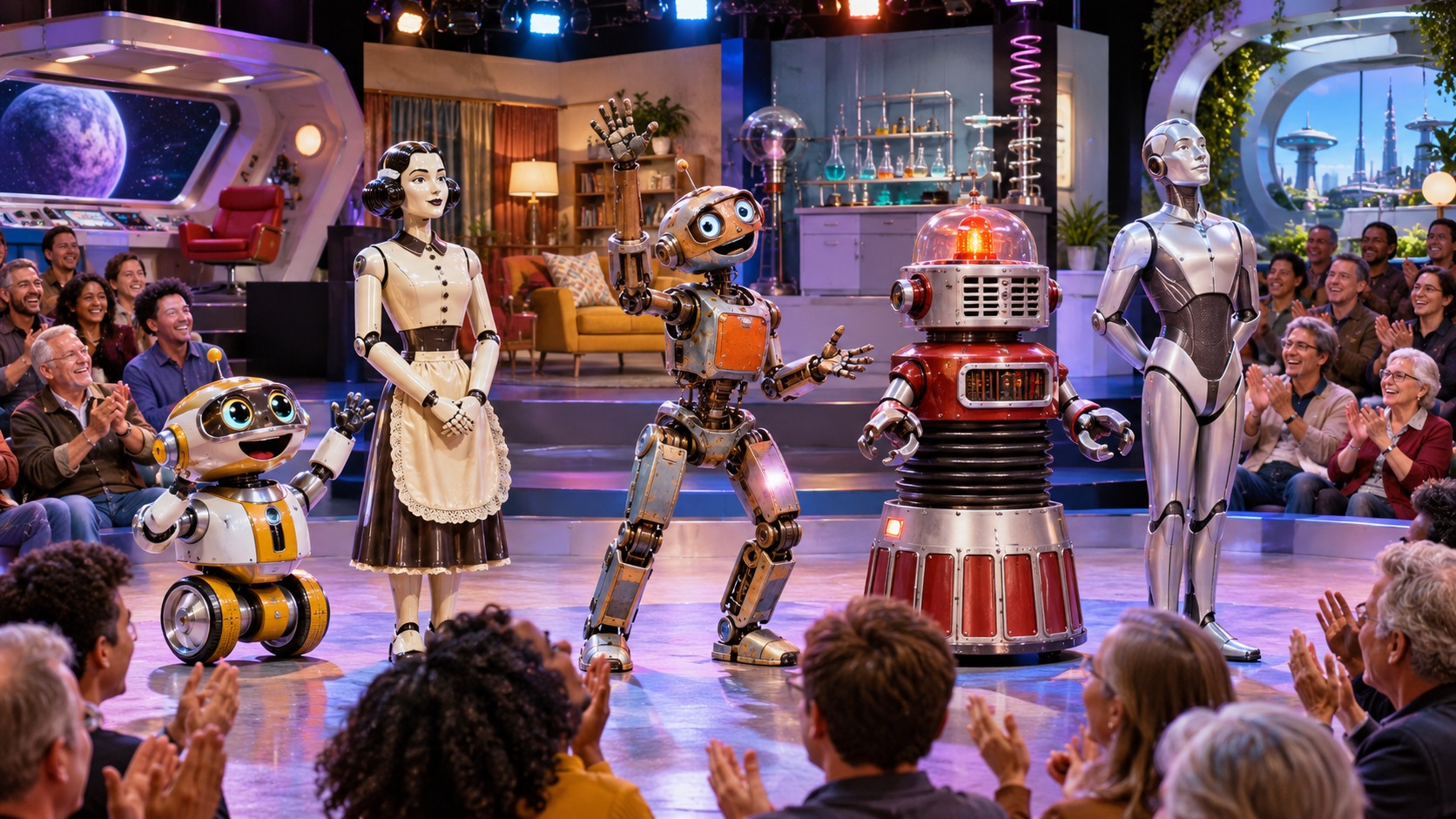
The enduring fact is the range. Television robots can be servants, heroes, comedians, enemies, citizens, or exploited people, and long-form stories allow each identity to change. That variety matters more than any single number beside a name. A useful ranking should send viewers back to the shows, where performance and story provide evidence that a list can only very briefly summarize.