The Future of Connectivity and IoT in Robotics
Robotics is entering one of the most exciting periods in its history. Once limited to isolated machines operating within factory walls, robots are rapidly evolving into highly connected, intelligent systems capable of communicating with other devices, sharing data, and making decisions in real time. At the center of this transformation are two powerful technologies: connectivity and the Internet of Things (IoT). The combination of robotics and IoT is fundamentally changing how machines interact with the world around them. Robots are no longer standalone devices performing preprogrammed actions. Instead, they are becoming active participants in vast digital ecosystems where sensors, cloud platforms, artificial intelligence systems, vehicles, industrial equipment, and even entire cities communicate continuously. As wireless networks become faster, cloud computing becomes more accessible, and artificial intelligence grows more sophisticated, connectivity is emerging as one of the most important drivers of robotic innovation. The future of robotics will not simply be defined by smarter machines. It will be defined by connected machines that collaborate, learn, adapt, and share information across global networks. From autonomous warehouses and smart factories to healthcare facilities, agricultural operations, and urban infrastructure, connectivity and IoT are creating opportunities that were unimaginable just a decade ago. Understanding these developments is essential for businesses, technology leaders, students, and anyone interested in the future of automation. This guide explores how connectivity and IoT are transforming robotics, the technologies making it possible, and what the future may hold for one of the fastest-growing areas of technological innovation.
A: It means robots are connected to sensors, devices, software platforms, networks, and data systems.
A: Connectivity helps robots coordinate, report status, receive updates, share data, and operate as fleets.
A: Yes. Private and industrial 5G can support faster, more reliable communication for mobile robots and automation systems.
A: No. Critical safety and motion tasks should still work locally even if connectivity fails.
A: It is a group of robots that share information and coordinate tasks through software and networks.
A: Sensors can track temperature, vibration, battery health, and errors to predict problems early.
A: Cybersecurity is a major risk because connected robots can affect both digital systems and physical spaces.
A: The cloud stores data, trains models, runs analytics, coordinates fleets, and supports remote monitoring.
A: Edge computing handles fast local decisions, reduces latency, and keeps robots functioning during outages.
A: Robots will become more connected, more cooperative, more data-driven, and more integrated with smart environments.
Understanding Connectivity in Robotics
Connectivity refers to a robot’s ability to communicate with external systems, devices, platforms, and networks. Traditionally, robots operated independently with little or no interaction beyond their immediate environment. Modern robots, however, are increasingly connected to larger digital ecosystems.
Through wireless networks, cloud platforms, and IoT infrastructure, robots can exchange information with other robots, sensors, machines, databases, and human operators. This communication allows them to access resources, receive updates, share operational data, and coordinate activities more effectively.
Connectivity expands the capabilities of robotic systems by providing access to information that would otherwise remain unavailable. Instead of relying solely on onboard sensors and processing power, connected robots can leverage external intelligence to improve decision-making and performance.
As connectivity technologies continue advancing, robots are becoming more responsive, collaborative, and adaptable than ever before.
What Is the Internet of Things?
The Internet of Things, commonly known as IoT, refers to a network of physical devices connected through the internet that can collect, transmit, and exchange data.
These devices include sensors, cameras, smart appliances, industrial equipment, vehicles, wearable technology, environmental monitoring systems, and robotic platforms. Each device generates information that can be analyzed and used to improve operations, efficiency, and decision-making.
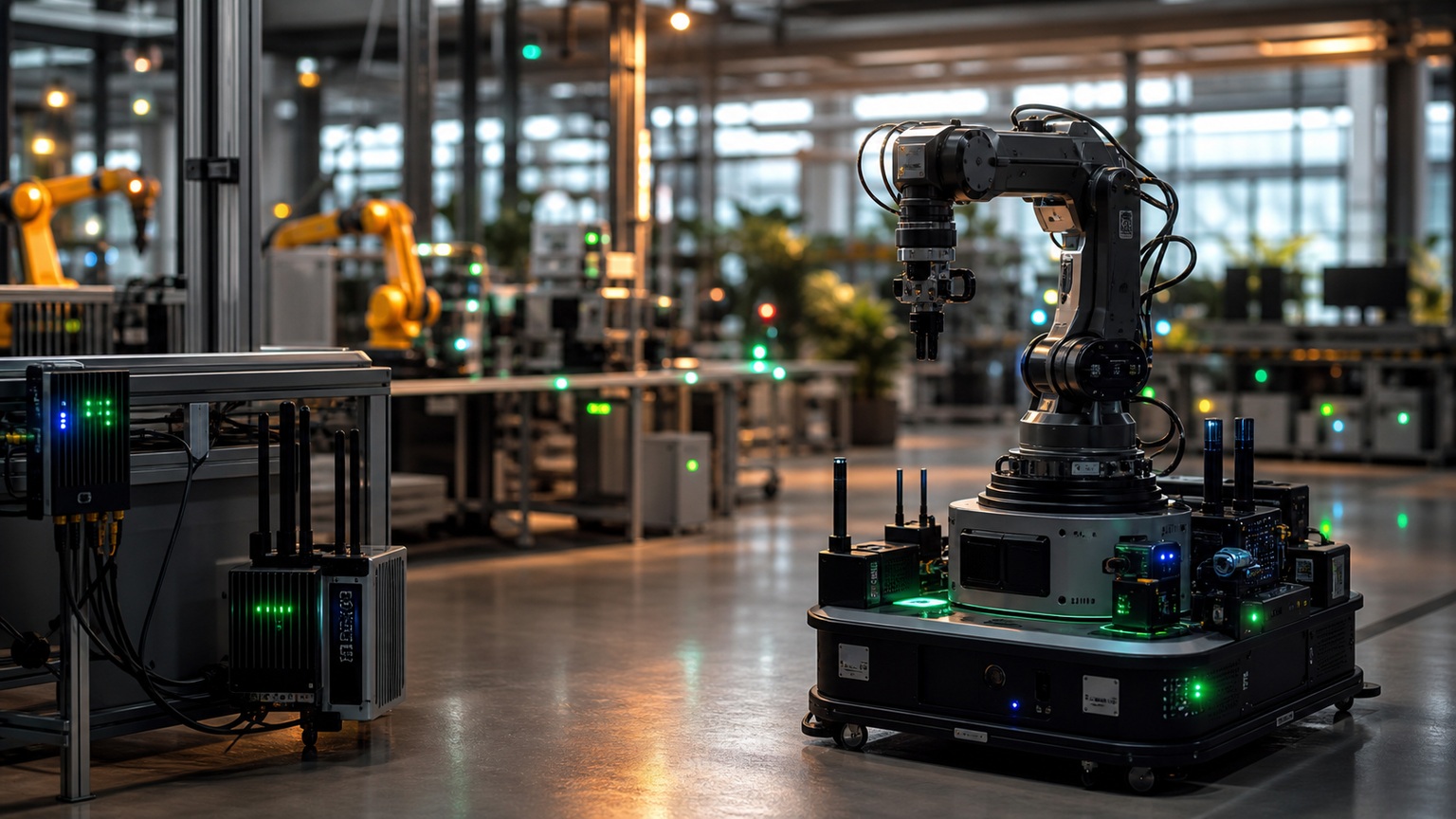
In a robotic environment, IoT creates a connected infrastructure that enables robots to gather information from multiple sources and interact intelligently with their surroundings.
For example, a warehouse robot may receive inventory updates from IoT-enabled shelves, navigation information from smart sensors, and operational instructions from cloud-based management systems. By integrating these data streams, the robot can perform tasks more efficiently and accurately.
IoT effectively creates a digital nervous system that connects robots with the broader environment in which they operate.
How IoT and Robotics Work Together
The relationship between robotics and IoT is often described as a natural partnership.
Robots provide physical capabilities such as movement, manipulation, inspection, transportation, and task execution. IoT provides the communication infrastructure and data-sharing capabilities that enhance robotic intelligence.
When robots become part of an IoT network, they gain access to real-time information from numerous connected devices. This information allows them to understand environmental conditions, monitor equipment status, track inventory levels, detect anomalies, and respond dynamically to changing situations.
At the same time, robots contribute valuable data back into the IoT ecosystem. Their sensors, cameras, and operational systems generate information that can improve analytics, predictive models, and overall system performance.
This continuous exchange of information creates a feedback loop that drives smarter automation and more efficient operations.
The Evolution from Isolated Robots to Connected Ecosystems
Early robotic systems were designed primarily for repetitive tasks in controlled environments. Manufacturing robots welded, assembled, and transported materials according to fixed instructions.
While effective, these robots operated largely in isolation. They had limited awareness of their surroundings and minimal ability to adapt to unexpected situations.
The rise of IoT has dramatically changed this model.
Today’s robots are increasingly integrated into connected ecosystems where information flows continuously between devices. Instead of functioning independently, robots can collaborate with other machines, coordinate activities, and adjust behavior based on real-time data.
This shift from isolated automation to interconnected intelligence represents one of the most significant developments in robotics history.
The future of robotics is increasingly focused on collaboration, communication, and networked intelligence rather than standalone machine performance.
The Role of 5G in Robotic Connectivity
One of the most important technologies enabling next-generation robotic connectivity is 5G.
Fifth-generation wireless networks provide dramatically faster speeds, lower latency, higher reliability, and greater device capacity than previous communication standards.
For robotics, these improvements are transformative.
Low latency allows robots to receive and transmit information almost instantaneously. This is critical for applications requiring real-time decision-making, such as autonomous vehicles, industrial automation, healthcare robotics, and remote operations.
Higher bandwidth enables robots to transmit large volumes of sensor data, video streams, and operational information without network congestion.
The ability to connect millions of devices simultaneously supports large-scale IoT deployments involving extensive robotic fleets.
As 5G networks continue expanding globally, they will serve as a foundational technology for the future of connected robotics.
Cloud Computing and Connected Robotics
Cloud computing has become a cornerstone of modern robotic connectivity.
Cloud platforms provide access to massive computing resources, artificial intelligence services, storage systems, and centralized management tools. Connected robots can leverage these resources to perform tasks that would be difficult or impossible using onboard hardware alone.
Rather than processing all information locally, robots can send data to cloud servers for analysis and receive actionable insights in return.
Cloud connectivity enables robots to access advanced machine learning models, perform large-scale data analytics, and share knowledge across entire networks.
This capability significantly enhances robotic intelligence while reducing hardware requirements and deployment costs.
As cloud technologies continue evolving, they will play an increasingly important role in enabling scalable and intelligent robotic systems.
Edge Computing and Real-Time Decision Making
While cloud computing offers tremendous benefits, certain robotic applications require immediate responses that cannot tolerate network delays.
This is where edge computing becomes important.
Edge computing processes data closer to the robot rather than relying exclusively on distant cloud servers. By reducing latency, edge systems enable faster decision-making and more responsive operations.
In many future robotic deployments, edge computing and cloud computing will work together.
Time-sensitive tasks such as obstacle avoidance, navigation, and safety monitoring can be handled locally, while cloud platforms manage analytics, learning, and long-term optimization.
This hybrid approach provides the best balance between speed, intelligence, and scalability.
Smart Factories and Industrial IoT Robotics
Manufacturing is one of the industries most heavily influenced by IoT-enabled robotics.
Smart factories rely on connected machines, sensors, production systems, and robotic platforms that communicate continuously.
Robots can monitor production lines, analyze equipment performance, coordinate workflows, and adapt to changing manufacturing requirements in real time.
Industrial IoT networks provide visibility across entire facilities, allowing managers to optimize operations and identify potential issues before they become serious problems.
Predictive maintenance systems use sensor data to forecast equipment failures, reducing downtime and maintenance costs.
The result is a more flexible, efficient, and resilient manufacturing environment.
As Industry 4.0 initiatives continue expanding, connected robotics will become increasingly central to modern industrial operations.
Autonomous Logistics and Connected Warehouses
E-commerce growth has accelerated demand for intelligent logistics systems powered by connected robotics.
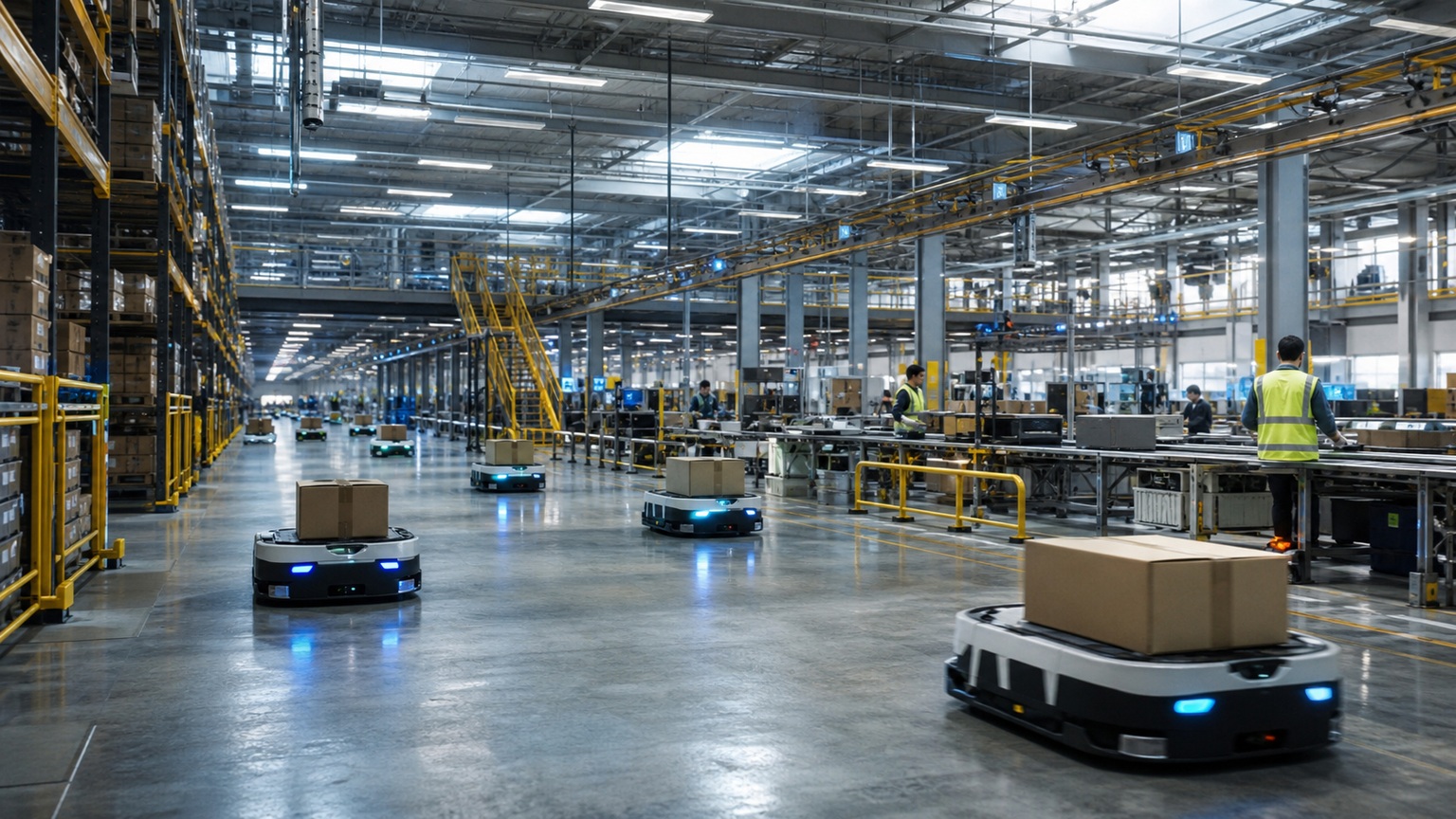
Modern warehouses deploy fleets of autonomous mobile robots that transport inventory, fulfill orders, and optimize storage arrangements.
These robots rely heavily on IoT infrastructure for navigation, coordination, and inventory management.
Connected shelves, smart sensors, RFID systems, and cloud platforms provide continuous streams of information that help robots make informed decisions.
Because every component of the system communicates, warehouse operations become more efficient and responsive.
Future logistics networks may include thousands of interconnected robots working collaboratively across distribution centers, transportation hubs, and delivery routes.
This level of connectivity will significantly improve speed, accuracy, and scalability.
Connected Robotics in Healthcare
Healthcare is another sector where IoT and connectivity are driving major robotic advancements.
Hospitals increasingly use connected robots for patient monitoring, medication delivery, sanitation, logistics support, and telemedicine services.
IoT devices continuously collect patient data, monitor equipment status, and track facility operations.
Connected robotic systems can access this information in real time, allowing them to support healthcare providers more effectively.
Remote healthcare applications are particularly promising. Specialists located thousands of miles away can interact with patients through connected robotic platforms, expanding access to medical expertise.
As healthcare systems face growing demands, connected robotics will play an increasingly important role in improving efficiency and patient outcomes.
Agriculture and Precision Farming
Agriculture is becoming more connected through IoT-enabled robotics and precision farming technologies.
Modern farms deploy robotic systems that monitor crops, analyze soil conditions, manage irrigation, and automate harvesting activities.
IoT sensors distributed throughout fields collect environmental data related to temperature, moisture levels, nutrient content, and weather conditions.
Robots use this information to make precise decisions that improve productivity and reduce resource waste.
Connectivity enables agricultural robots to access cloud-based analytics, historical datasets, and predictive models that support better farming practices.
The future of agriculture will likely involve highly connected ecosystems where robots, sensors, drones, and AI platforms work together to maximize efficiency and sustainability.
Collaborative Robots and Networked Intelligence
Collaborative robots, often called cobots, are becoming increasingly common in workplaces.
Unlike traditional industrial robots that operate in isolation, cobots work alongside human employees and interact with connected systems.
IoT connectivity enhances collaborative robotics by providing situational awareness, communication capabilities, and access to shared information.
Networked intelligence allows multiple robots to coordinate activities, share resources, and learn from one another.
Future robotic systems may function as interconnected teams capable of solving complex problems collectively.
This evolution toward collaborative intelligence represents a major shift in how robotic systems are designed and deployed.
Artificial Intelligence and Connected Robotics
Artificial intelligence amplifies the value of connectivity and IoT in robotics.
Connected robots generate enormous amounts of data through sensors, cameras, and operational systems. AI algorithms analyze this information to identify patterns, optimize performance, and support decision-making.
Machine learning enables robots to improve continuously through experience. Data collected across entire fleets can be aggregated and used to enhance algorithms.
As AI models become more sophisticated, connected robots will become increasingly autonomous and capable of handling complex tasks with minimal human intervention.
The combination of AI, IoT, and robotics is creating intelligent systems that can adapt to dynamic environments and evolving challenges.
Cybersecurity Challenges in Connected Robotics
As robotic systems become more connected, cybersecurity becomes increasingly important.
Every connected device represents a potential entry point for cyber threats. Unauthorized access to robotic systems could disrupt operations, compromise sensitive information, or create safety risks.
Organizations deploying IoT-enabled robots must implement strong security measures, including encryption, authentication, network segmentation, and continuous monitoring.
Future robotic ecosystems will require cybersecurity strategies that evolve alongside technological advancements.
Ensuring secure connectivity will be essential for maintaining trust and reliability in robotic systems.
Smart Cities and Urban Robotics
One of the most exciting future applications of connected robotics involves smart cities.
Urban environments are becoming increasingly interconnected through IoT infrastructure, sensors, communication networks, and intelligent systems.
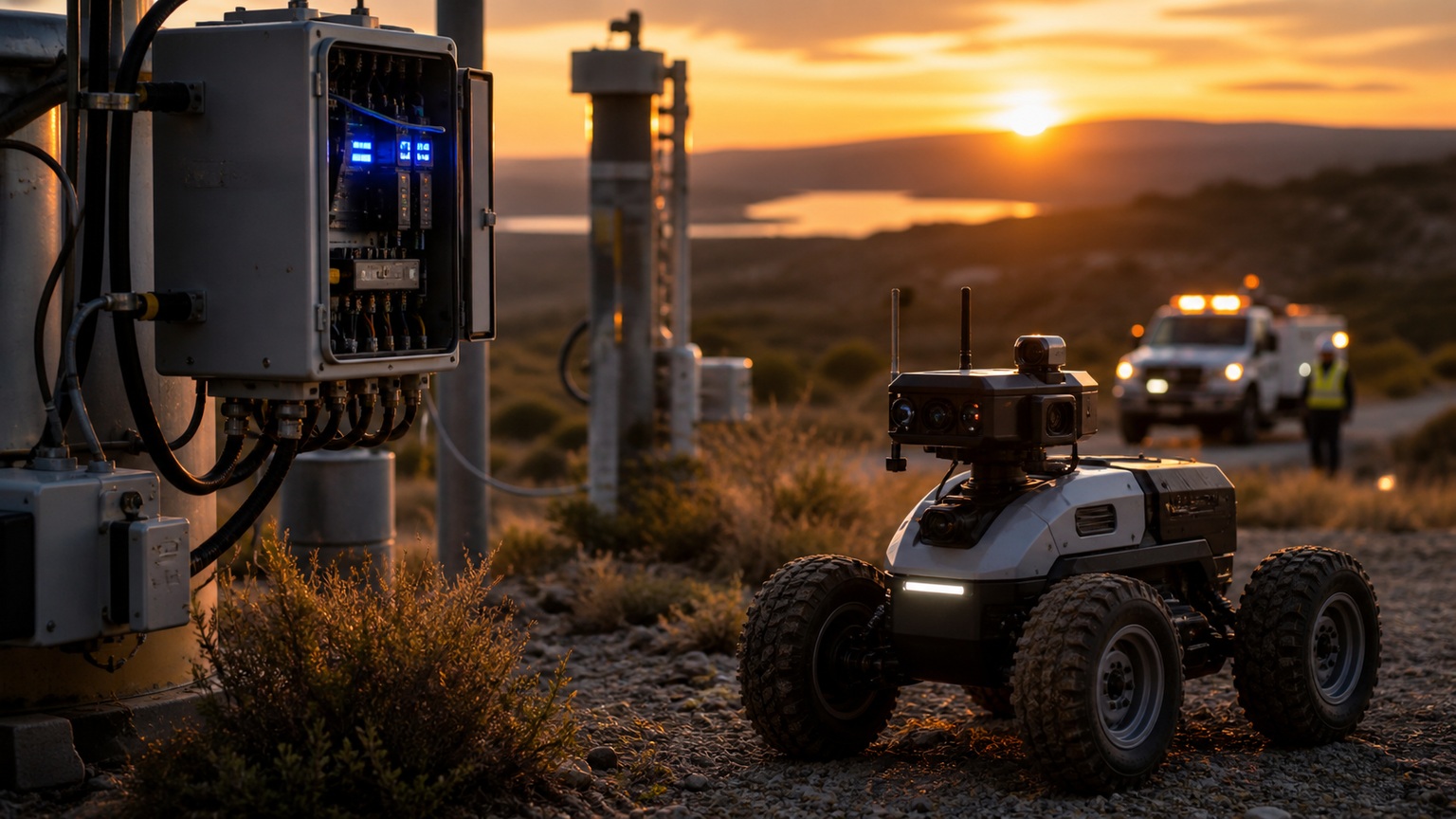
Robots may play key roles in public transportation, infrastructure maintenance, environmental monitoring, waste management, and emergency response.
Connected robots could communicate with traffic systems, utility networks, public safety platforms, and city management systems to improve urban efficiency.
As cities become smarter, robotic systems will become valuable partners in managing complex urban challenges.
The integration of robotics and IoT has the potential to enhance quality of life while supporting sustainable urban development.
The Future Outlook for Connectivity and IoT in Robotics
The future of connectivity and IoT in robotics is exceptionally bright.
Advancements in wireless communications, artificial intelligence, cloud computing, edge processing, and sensor technology are accelerating innovation across the robotics industry.
Future robots will be more connected, collaborative, and intelligent than ever before. They will operate within vast digital ecosystems where information flows seamlessly between devices, platforms, and organizations.
Rather than functioning as isolated machines, robots will become active participants in interconnected networks capable of learning, adapting, and working together to solve complex challenges.
The continued convergence of robotics, IoT, and connectivity technologies will unlock new opportunities across virtually every sector of the economy.
Conclusion
Connectivity and the Internet of Things are fundamentally transforming the future of robotics. What were once standalone machines are evolving into intelligent, networked systems capable of communicating, learning, and collaborating on an unprecedented scale.
By connecting robots to sensors, cloud platforms, artificial intelligence systems, and broader digital ecosystems, organizations can create automation solutions that are more efficient, flexible, and responsive than traditional approaches. Industries ranging from manufacturing and logistics to healthcare, agriculture, and smart cities are already benefiting from these innovations.
As technologies such as 5G, edge computing, AI, and cloud robotics continue advancing, the capabilities of connected robotic systems will expand dramatically. The future will not be defined by individual robots working alone. It will be shaped by interconnected robotic ecosystems that leverage real-time data, shared intelligence, and seamless communication to drive innovation and transform the way people live and work.
For businesses, technology leaders, and aspiring robotics professionals, understanding the relationship between connectivity, IoT, and robotics is essential. These technologies are not simply influencing the future of automation—they are actively creating it.